
 Chiara Bianchi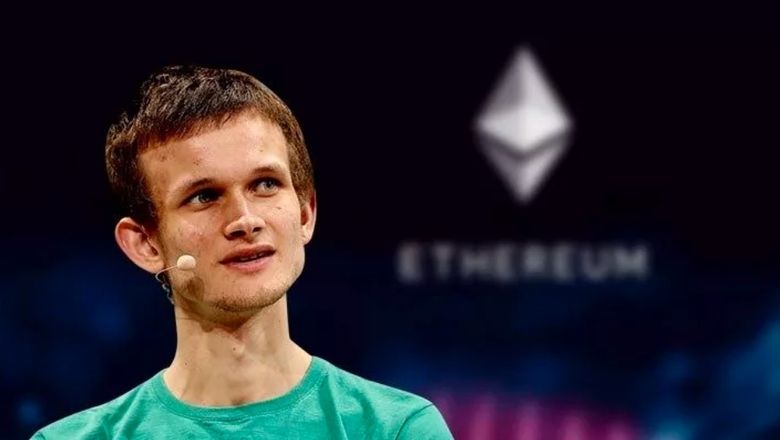
Ethereum co-founder Vitalik Buterin has weighed in on the growing debate surrounding Base, the Layer 2 network incubated by Coinbase. Contrary to critics labeling it a custodial service, Buterin argued that Base operates as a non-custodial extension of Ethereum.
“Base is structured correctly: a Layer 2 built on Ethereum that leverages some centralized mechanisms for better user experience while relying on Ethereum’s decentralized security,” Buterin said in a post on X.
He emphasized that Base cannot seize or block user funds thanks to Ethereum contract logic, which guarantees exits even if an operator fails. According to Buterin, frameworks like L2Beat’s staging system are not about “purity tests,” but instead practical tools to measure user protections and fund safety.
Buterin reiterated that Layer 2 solutions are extensions of Ethereum, not custodians. He explained that Ethereum L1 contracts provide concrete pathways for users to withdraw funds, ensuring ultimate control remains at the base layer.
Earlier this year, Base advanced to Stage 1 in Buterin’s decentralization model, introducing a security council to reduce Coinbase’s unilateral power. While centralized elements remain, quorum-blocking rules limit Coinbase’s ability to censor or misappropriate funds.
Coinbase Responds to Centralization Concerns
Buterin’s comments came after Jesse Pollak, Coinbase’s Head of Base, defended Layer 2 sequencers — the systems that batch and order transactions before sending them to Ethereum. Pollak compared them to neutral “traffic controllers”, not securities exchanges.
“Users can always transact directly through Ethereum if needed, anchoring Base’s activity to Ethereum’s validators,” Pollak explained. He added that Base is working toward Stage 2 decentralization, aiming to reduce reliance on centralized control while scaling Ethereum.
Similarly, Coinbase Chief Legal Officer Paul Grewal rejected claims that sequencers qualify as exchanges under SEC definitions. He argued that Layer 2s are general-purpose infrastructure, similar to AWS. “If an exchange runs on AWS, does that make AWS an exchange? Obviously not,” he said.
Criticism From the Community
Not everyone agrees with Buterin. Eric Wall, co-founder of Taproot Wizards, argued that Base remains custodial in practice, since its contracts are still upgradeable through governance, giving Coinbase and its partners significant discretionary control.
Former Ethereum developer Lane Rettig raised concerns about government coercion risks, while Galaxy’s Head of Research Alex Thorn suggested that Buterin’s defense of Base sidesteps the issue of whether Layer 2 securities should be regulated like exchanges.
Tokenization and Future Plans
The debate coincides with speculation around a potential Base token. Pollak recently revealed that the network is “exploring” the idea, framing it as a path toward greater decentralization and wider validator participation.
Supporters see a token as a way to accelerate Base’s independence, while skeptics warn it could simply reinforce Coinbase’s influence under the guise of community governance. Others question the need for a new token at all, since ETH already secures Layer 2s and could serve in sequencer decentralization through staking or bonding mechanisms.