
 Chiara Bianchi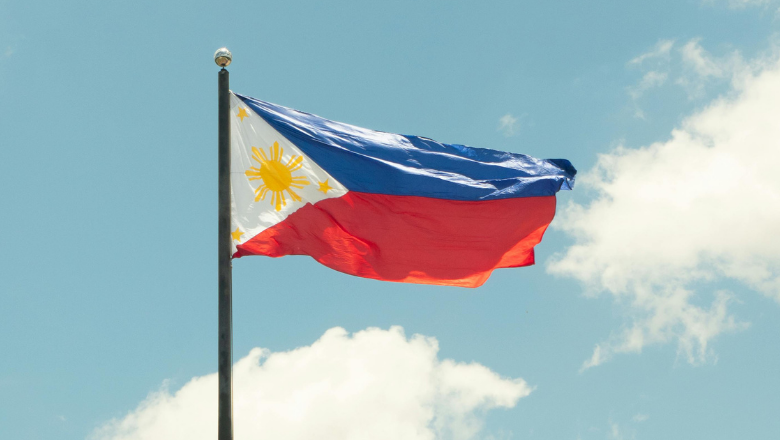
The Philippines is considering a groundbreaking step in digital finance. Congressman Miguel Luis Villafuerte has introduced House Bill 421, which calls on the Bangko Sentral ng Pilipinas (BSP) to gradually build a 10,000 BTC reserve. Under the proposal, the central bank would purchase 2,000 Bitcoin every year for five years and keep the assets in cold storage for at least two decades.
According to Villafuerte, Bitcoin is becoming increasingly vital for ensuring economic resilience and financial security worldwide. By locking up the assets for 20 years, the Philippines aims to strengthen its long-term fiscal stability and safeguard its position in the global economy.
Strict Rules for Use and Sale
The bill includes firm restrictions:
-
The Bitcoin reserve cannot be sold, traded, or swapped for any purpose other than paying off government debt.
-
Once the 20-year period ends, the central bank governor may only liquidate up to 10% of the holdings every two years, preventing sudden market disruptions.
Joining the Ranks of Bitcoin-Friendly Nations
If passed, this legislation would place the Philippines alongside other nations such as El Salvador and Bhutan, both of which have integrated Bitcoin into their national strategies. Larger economies like the United States and China also hold significant Bitcoin reserves, mainly consisting of seized digital assets.
Global Context: How Much Bitcoin Do Governments Hold?
Data from Bitbo reveals that governments collectively control around 517,296 BTC, which equals nearly 2.5% of Bitcoin’s maximum 21 million supply. This highlights the growing recognition of Bitcoin as a strategic financial asset worldwide.